Day 28, June 14, 2025
Miles traveled: 4,725
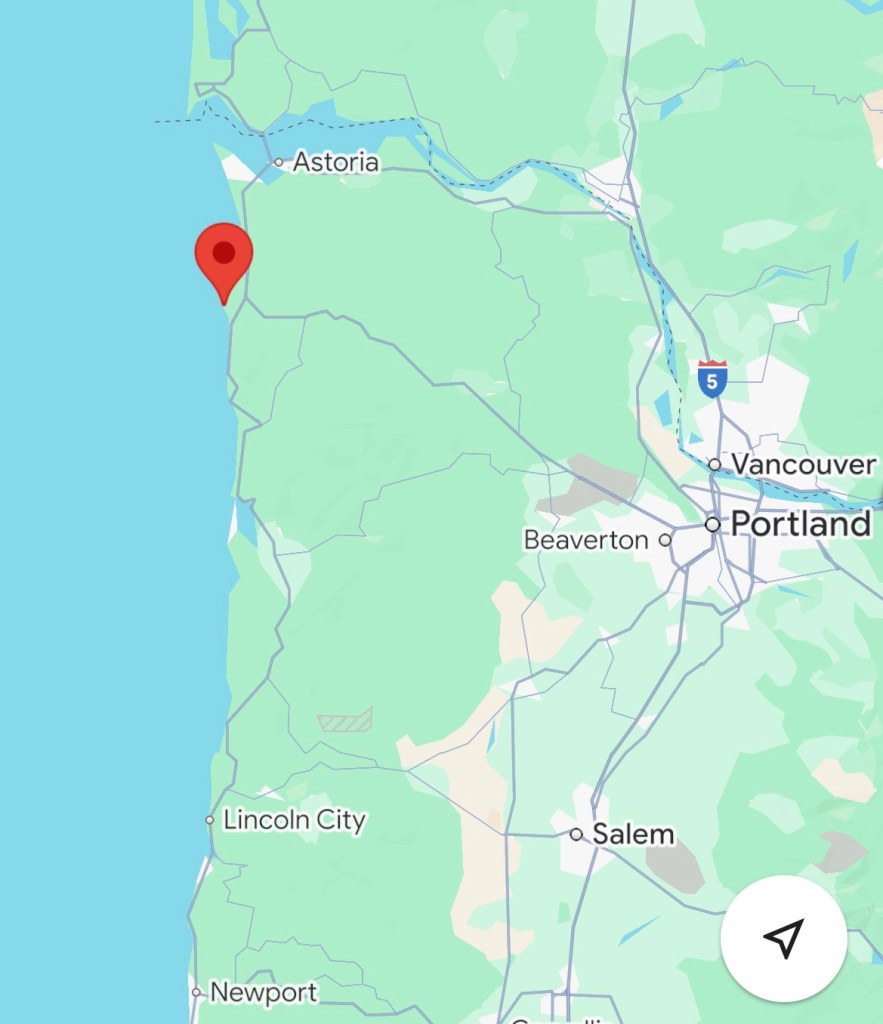
Today, we reached the apex of our journey and will be heading back to Baltimore. By “apex” I don’t mean the best part of the trip, I mean we have driven as far west as we will go. There are more adventures to come as we head east toward home. We will be visiting a certain National Park that holds a special place in my heart (GT). We will also be searching out some native, original prairie in the Midwest. Tomorrow, David will be skiing a glacier!
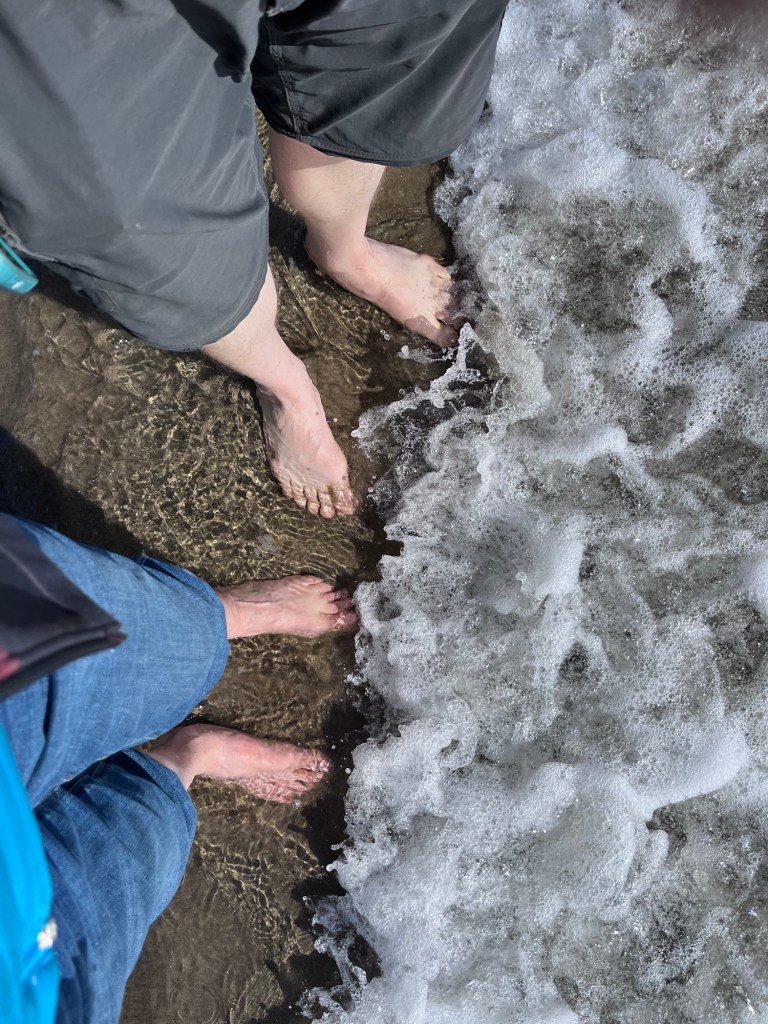
Here we are, getting our feet wet in the Pacific Ocean. if you recall, a month ago, we were getting our feet wet in the Atlantic Ocean.
A simple gesture, without an enormous amount of meaning for someone who can hop in their car and take a few weeks to drive across the country. But, we need our benchmarks. We all need a framework upon which to measure our lives, and our semi-ambitious trips.
The original Tramper Voyage, 2012-2013, was a bigger trip. (An ambitious trip?) We were on the road for 6 months after having quit our jobs. We could do this because neither of us were climbing the corporate ladder. We were a Physical therapist and a Nuclear Medicine Technologist, both were jobs that could be replaced at home or if we settled somewhere else.. We had over 20 years of experience by then and had many connections for jobs.
See more details about the 2012 Voyager farther down in this blog. If I had any computer savvy at all, I could probably embed a link at this point. But you’re out of luck.
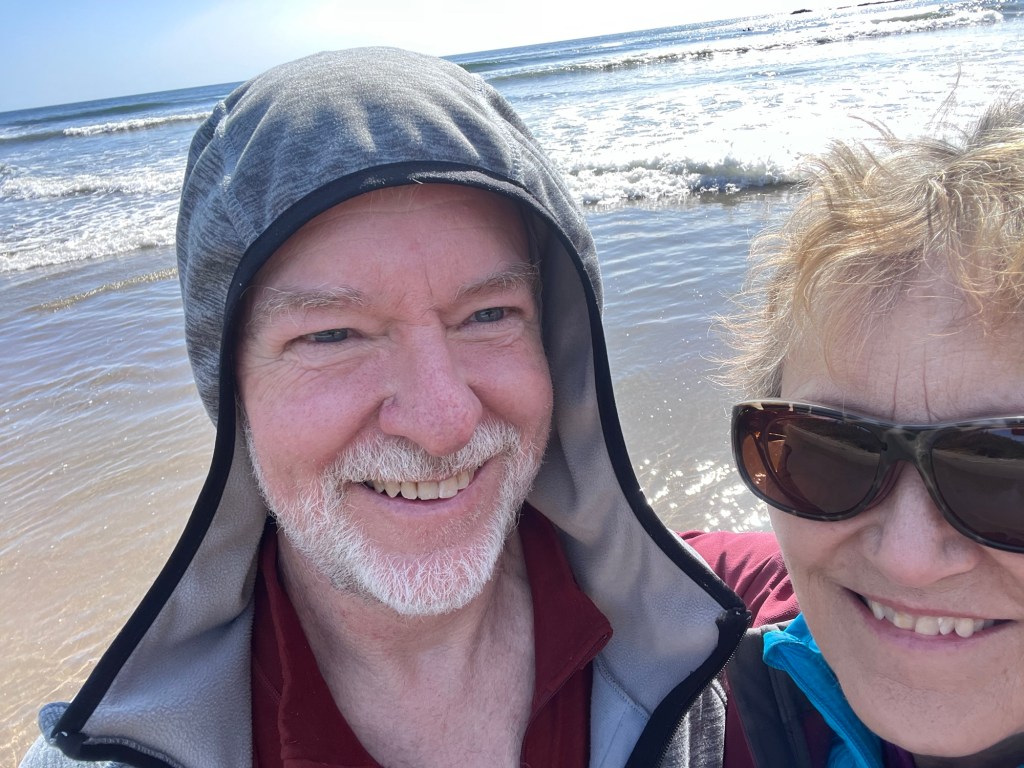


As it was in Cape Henlopen, it was way too chilly to get in the Pacific Ocean water. The sea was beautiful. We didn’t see any sharks or any giant waves. I have a preconceived notion about the Pacific that it has giant waves everywhere. But it’s not true. These waves were placid and small, just as they oftentimes are in the Atlantic. It smelled good, looked good, felt good, sounded good. Very restorative for a tired traveler.

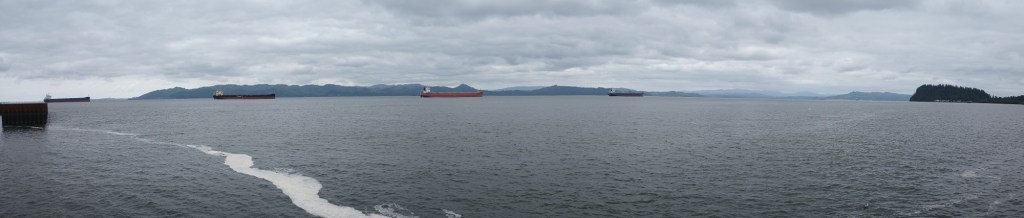
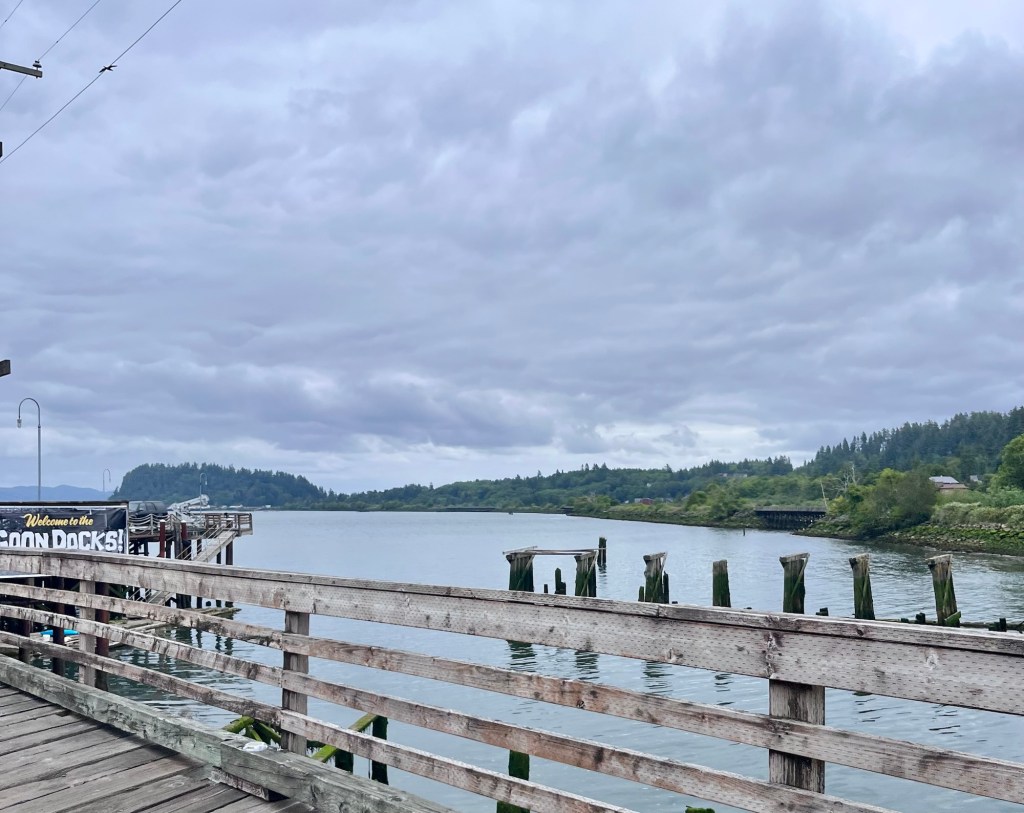
Before we got our feet wet, as we crossed the border between Washington and Oregon, we came to the mighty Columbia River. It’s quite impressive and beautiful. It’s deep and swift and crashes into the Pacific Ocean. There is what they call a “bar” at the mouth of the Columbia where it meets the ocean. It’s turbulent and dangerous and requires a pilot to board to navigate a ship beyond the bar and into the river.
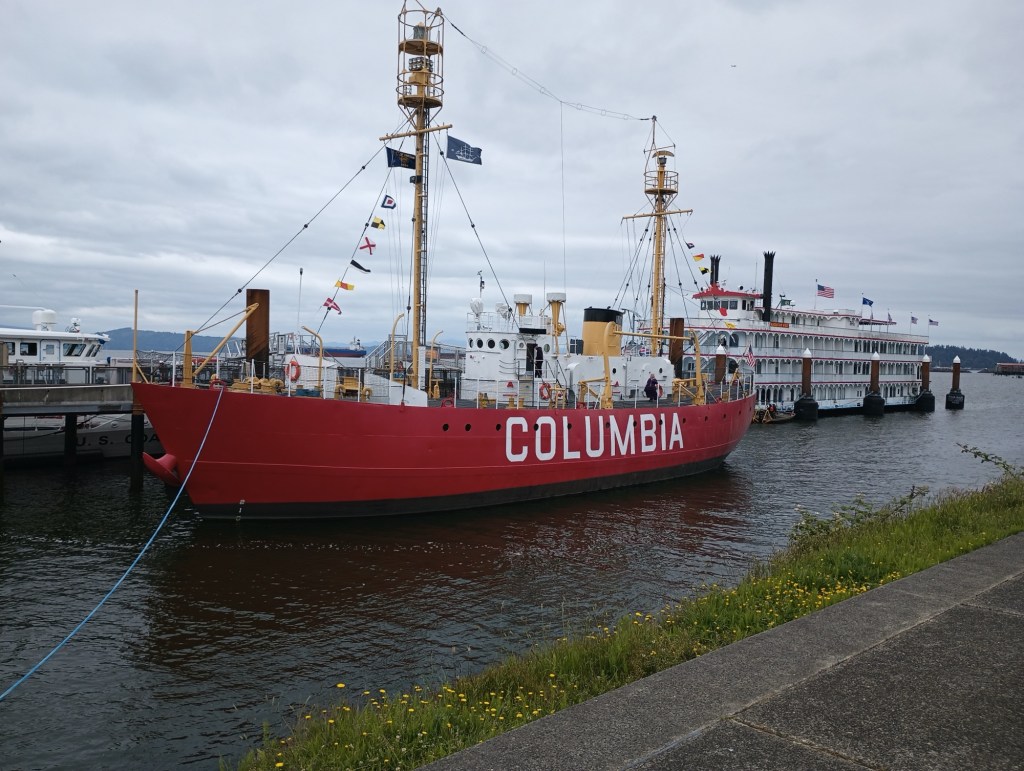
From there, the Columbia is so deep that large ocean going ships can travel 50 miles up the river to a large port in a town called Longview, OR. It’s here that much of the lumber from the region is shipped.



Jane
(Written at the Historic Timberline Lodge, Mt Hood, OR)

 The Voyage of the Tramper